
Understanding the psychology behind gambling Why do we take the risk
The Allure of Risk-Taking
The psychology of gambling is deeply rooted in our innate attraction to risk-taking. This behavior is often linked to the thrill associated with uncertainty and the potential for reward. When individuals engage in gambling activities, they enter a realm where the outcome is unknown, which can evoke a rush of adrenaline. This excitement is a powerful motivator, pulling players into a cycle where the anticipation of winning becomes an addictive force. In this context, you can discover more about responsible gaming practices at shotz-nz.org.

Moreover, risk-taking behavior is often associated with the concept of loss aversion. Studies suggest that people tend to prefer avoiding losses over acquiring equivalent gains. In gambling, this translates to the belief that one can “win back” losses, prompting players to increase their bets in hopes of turning their fortunes around. This psychological phenomenon reinforces the cyclical nature of gambling, where the risks taken become increasingly amplified by the desire to recover lost funds.
Additionally, the unpredictability of gambling outcomes taps into the human brain’s reward system. When players experience a win, even a small one, their brains release dopamine, a neurotransmitter associated with pleasure and reward. This chemical reaction creates a desire to repeat the experience, further entrenching individuals in the gambling cycle and driving them to take increasingly greater risks.
The Impact of Cognitive Biases
Cognitive biases play a significant role in the psychology behind gambling. One prevalent bias is the illusion of control, where gamblers believe they can influence the outcome of games, especially in activities like poker or sports betting. This fallacy leads players to engage in riskier strategies, convinced that skill or luck will guide them toward victory. The illusion of control fosters a sense of agency, making individuals more likely to take risks that they might otherwise avoid.
Another important cognitive bias is the gambler’s fallacy. This belief suggests that past events influence future outcomes in random events. For example, a player may think that a slot machine is “due” for a win after several losses, leading them to wager larger amounts in hopes of a forthcoming jackpot. Such misunderstandings of probability and chance can escalate risk-taking behaviors and deepen gambling addiction.
Furthermore, confirmation bias can intensify gambling behaviors. Gamblers often seek out information or experiences that validate their beliefs about winning, ignoring evidence to the contrary. This selective perception reinforces their commitment to gambling and may encourage them to take risks that align with their biased thinking, often leading to adverse financial consequences.
The Role of Social Influence
Social factors significantly impact gambling behaviors, contributing to individuals’ willingness to take risks. Social proof, a psychological phenomenon where individuals look to others to guide their decisions, is particularly prominent in gambling environments. When friends or peers exhibit risk-taking behavior, it can create a sense of normalization around gambling, prompting others to follow suit. This collective participation can amplify individual tendencies towards risk.
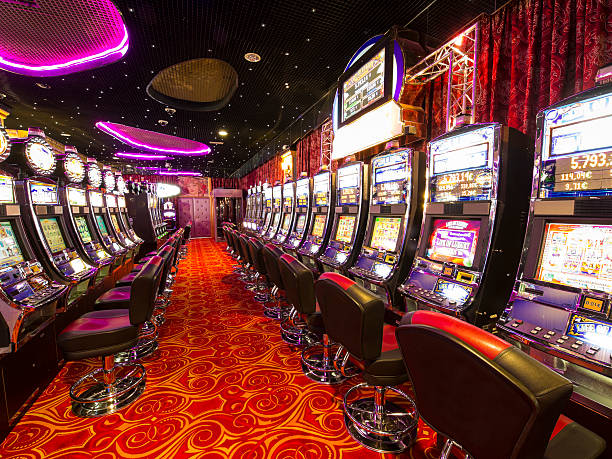
Moreover, the environment in which gambling occurs plays a vital role in shaping behaviors. Casinos, whether online or physical, are designed to immerse players in a sensory-rich experience, filled with lights, sounds, and excitement. This atmosphere not only heightens emotions but can also lead to impulsive decisions and higher stakes, as individuals seek to match the energy around them. The social dynamics of these environments encourage risk-taking as players feed off one another’s energy.
Lastly, cultural attitudes toward gambling significantly influence individual behavior. In societies where gambling is celebrated or viewed as a social activity, people may feel a greater inclination to engage in risk-taking behaviors. This cultural endorsement can validate the risks associated with gambling, leading individuals to perceive such actions as acceptable, further perpetuating the cycle of gambling addiction.
The Emotional Highs and Lows
Gambling is often characterized by a rollercoaster of emotions, which can significantly influence an individual’s decision-making processes. The emotional highs associated with winning can create euphoric feelings, often described as a “high.” This elation can overshadow the logical assessment of risks, making it easier for individuals to overlook potential downsides and engage in further gambling activities. The thrill of winning reinforces a desire to take risks, creating a cycle that can be hard to escape.
Conversely, the emotional lows associated with losses can lead to feelings of despair or frustration. In an attempt to cope with these negative emotions, individuals may resort to more gambling as a misguided strategy to reclaim lost funds. This emotional response highlights the complexity of gambling behavior, where the interplay between highs and lows can drive individuals deeper into risky behaviors, often leading to addiction.
Moreover, the emotional nature of gambling experiences often leads individuals to make irrational decisions. In moments of high emotion, such as excitement or disappointment, individuals may act impulsively, placing larger bets or engaging in riskier games. Understanding these emotional dynamics is crucial in addressing the psychological aspects of gambling and developing effective strategies for responsible play.
Shotz Casino: A Responsible Gaming Experience
At Shotz Casino, understanding the psychology behind gambling is paramount to ensuring a safe and enjoyable gaming environment. The platform offers over 2,500 games, catering to various player preferences while emphasizing responsible gaming practices. By providing educational resources and support, Shotz Casino aims to help players recognize the psychological factors at play in their gambling experiences.
New players are welcomed with a generous bonus and free spins, allowing them to explore the gaming landscape without immediately succumbing to high-risk stakes. This approach encourages responsible play by enabling individuals to experience the thrill of gaming in a controlled manner. The platform also emphasizes user-friendly navigation and fast withdrawals, ensuring that players can enjoy their experiences while feeling secure and supported.
Ultimately, Shotz Casino is dedicated to fostering a community that prioritizes player satisfaction and well-being. By promoting an understanding of the psychological aspects of gambling, the platform empowers players to make informed decisions, mitigating the risks associated with gambling while maximizing enjoyment and engagement.